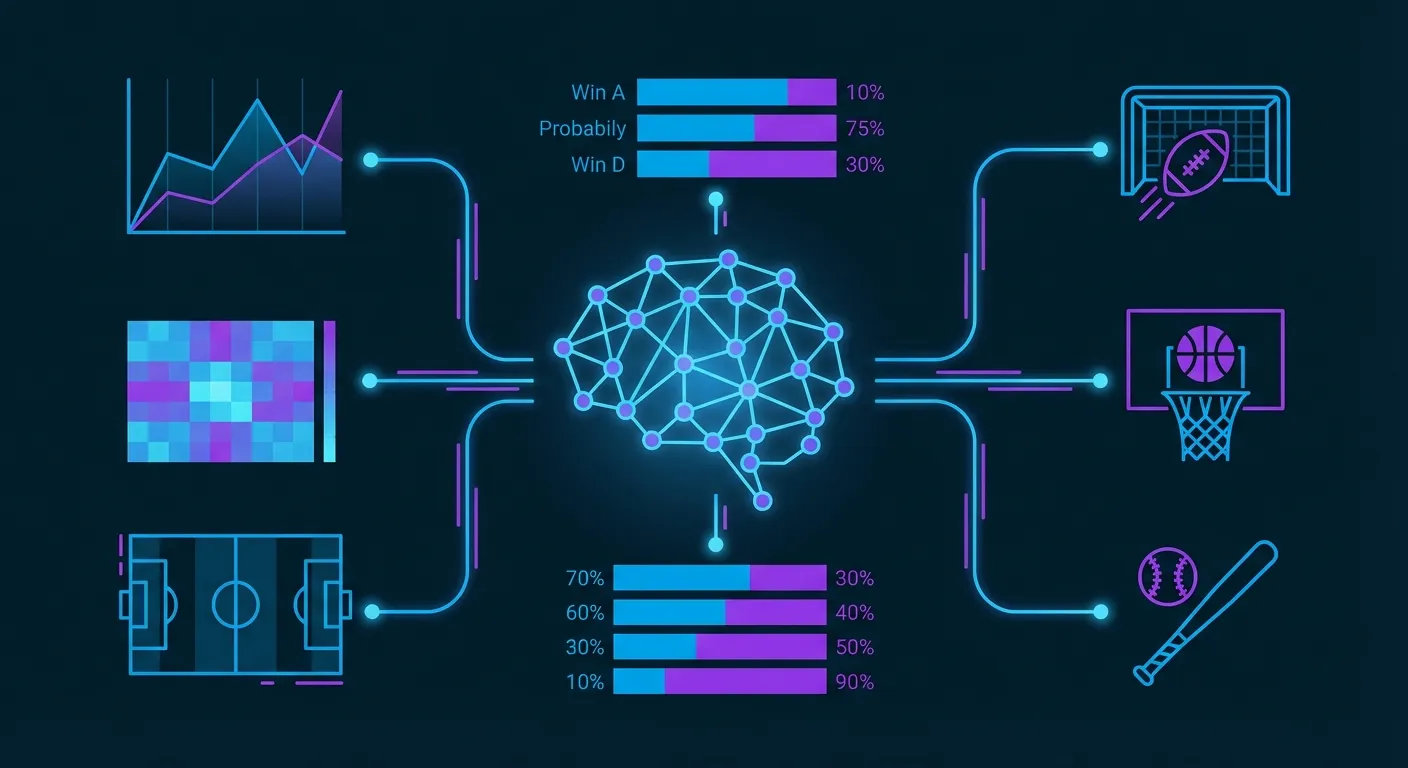
The SportsDataAPI predictions endpoint provides AI-generated probability scores for upcoming football matches. These predictions are based on historical data, team form, head-to-head records, and league standings. This guide explains how the predictions work and how to integrate them into your platform.
How Predictions Work
The predictions endpoint analyzes multiple data points for each fixture:
Team form over the last 5, 10, and 20 matches. Recent wins, draws, and losses weighted by recency.
Head-to-head history between the two teams. Historical results in the same competition carry more weight than friendlies.
Home and away performance. Some teams perform significantly differently at home versus away. The model accounts for this split.
League context including standings position, goals scored and conceded averages, and defensive versus offensive strength ratings.
Using the Predictions Endpoint
Fetch predictions for a specific fixture by passing the fixture ID:
curl -X GET "https://v3.football.sportsdataapi.com/predictions?fixture=198772" \
  -H "x-apisports-key: YOUR_API_KEY"
The response includes several probability fields:
- winner: The predicted winner with a confidence percentage
- win_or_draw: Whether the home or away team is expected to win or draw
- under_over: The predicted total goals line
- goals: Expected goals for home and away teams
- advice: A plain-text recommendation
Interpreting Probability Scores
The “percent” object shows win/draw/loss probabilities as percentages. For example:
"percent": {
  "home": "62%",
  "draw": "20%",
  "away": "18%"
}
These percentages represent the model confidence, not guaranteed outcomes. Higher confidence typically correlates with clearer form differences between teams. For a deeper understanding of how probability models work in sports contexts, see the expected value article on Wikipedia.
The “comparison” object provides normalized strength ratings for attack, defense, form, head-to-head, and overall. Each is scored as a percentage for both home and away.
Integration Patterns
For betting platforms, display predictions alongside live odds to help users make informed decisions. Show the AI prediction, the confidence level, and key factors that drove the prediction.
For analytics dashboards, use predictions to flag value bets where the model probability diverges significantly from implied odds probability. A match where the model says 62% home win but odds imply only 45% may represent value.
Batch requests efficiently. Fetch predictions for all upcoming fixtures in a league at once rather than one at a time. The endpoint supports filtering by league and date.
Limitations
Predictions are based on historical patterns and cannot account for breaking news like injuries announced just before kickoff, unexpected weather, or tactical changes. Always present predictions as one data point among many, not as guaranteed outcomes.
The model performs best in leagues with deep historical data (top European leagues) and less reliably in leagues with limited coverage or high variance (lower divisions, cup competitions).